Ford F-150 2015-2020 Common Problems
Updated 2026-02-19 · Ford F-150 · 2015–2020
The F-150 is a capable workhorse, but 10-speed transmission clunks and EcoBoost cam phaser rattles require careful inspection.
MotorMigo Risk Card
Top things to check
- Overall Reliability Snapshot
- Most Common Problems
- 1. 10-Speed Automatic (10R80) Harsh Shifting
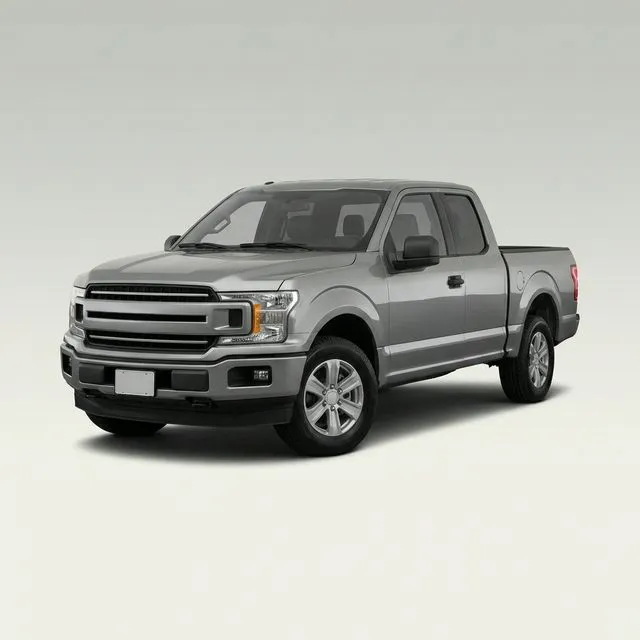
# Ford F-150 2015–2020 Common Problems (13th Generation)
The 2015 to 2020 Ford F-150 represented a massive evolutionary leap for half-ton trucks, swapping heavy steel body panels for lightweight military-grade aluminum. This generation dropped hundreds of pounds, boosting fuel efficiency, towing capacity, and payload numbers. During this run, Ford also pushed their turbocharged EcoBoost engines to the forefront, alongside new 10-speed automatic transmissions. While this F-150 set industry benchmarks, it features highly complex powertrains that can develop expensive issues as the mileage climbs. If you are shopping for a used 13th-generation F-150, you need to know exactly what to listen and feel for during your test drive to avoid ending up with a costly repair bill.
Overall Reliability Snapshot
The 13th-generation Ford F-150 is a resilient and versatile truck, but its diverse lineup of powertrains means your reliability experience will vary wildly depending on the engine and transmission combination. The aluminum body revolutionized the segment—it will not rust like older steel trucks, saving buyers in salt-belt regions massive headaches. However, the advanced mechanics paired with the EcoBoost engines, specifically the cam phasers, and the erratic shifting of the 10-speed automatic transmission are well-documented weak points.
If you find an example with exhaustive maintenance records indicating frequent oil changes, you drastically reduce your risk. Skipping maintenance on these forced-induction engines accelerates wear on critical timing components. Buyers should approach an F-150 with a focus on powertrain health, prioritizing trucks that shift smoothly and start quietly.
Most Common Problems
1. 10-Speed Automatic (10R80) Harsh Shifting
What happens: The truck exhibits violent clunks, harsh upshifts or downshifts, or a noticeable hesitation when moving between gears, particularly in the lower gears (1st to 3rd) during stop-and-go traffic.
Why it happens: The 10R80 transmission adapts to driving behavior using complex software, but the valve body and internal clutch components are prone to wear or software misalignment, causing rough, jagged shifts. In some cases, the clutches deteriorate prematurely.
How to check in 20 minutes: Perform a long, varied test drive. Accelerate normally from a dead stop, letting it run through gears 1 to 4. Brake suddenly back down to a stop, feeling for a stark clunk when dropping into 1st gear. Try accelerating aggressively to force a kickdown shift.
Typical repair cost: A software reflash costs around $150–$250. Valve body replacement runs $1,000–$1,500. A complete transmission rebuild or replacement ranges from $4,000 to $6,500.
Negotiation leverage: High. Any clunking or hesitation is grounds for demanding an aggressive discount or walking away entirely.
2. 3.5L EcoBoost Cam Phaser Rattle on Cold Start
What happens: You hear a distinct, loud rattling or ticking noise originating from the top front of the engine immediately after starting the truck. The noise usually vanishes after a few seconds once oil pressure builds.
Why it happens: The variable camshaft timing (VCT) phasers lack physical locking pins when oil pressure bleeds off after the engine sits. The phasers rattle against the camshafts until the oil pump pushes enough fluid into the mechanism to tense the assembly.
How to check in 20 minutes: Ensure the engine is completely cold (tell the seller not to start it before you arrive). Pop the hood, stand near the front grille, and have someone else turn the key. Listen intently for a loud, metallic rattle that lasts 2 to 5 seconds.
Typical repair cost: Replacing the cam phasers, timing chains, guides, and tensioners averages $2,500 to $3,500, requiring extensive teardown of the engine front cover.
Negotiation leverage: High. If you hear a cold start rattle, secure a $3,000 reduction to cover the inevitable timing job.
3. IWE (Integrated Wheel End) Grinding Noises
What happens: You hear a severe grinding or a ratcheting noise coming from the front wheels while driving in 2WD mode. The noise typically goes away immediately if you shift the truck into 4WD mode.
Why it happens: The 4WD system uses engine vacuum to pull the front hub actuators (IWEs) away from the wheel hubs, keeping the truck in 2WD. If vacuum lines crack, the check valve fails, or the IWE seal rips, partial vacuum loss allows the gears to grind against each other without fully engaging.
How to check in 20 minutes: Drive at low to moderate speeds with the windows down in 2WD. Listen for a metallic grinding noise that sounds like dragging sheet metal. While driving safely, switch the dial to 4H; if the grinding instantly stops, you have an IWE vacuum leak.
Typical repair cost: A vacuum check valve or solenoid replacement is cheap (under $50). Replacing the full vacuum harness and both IWE actuators at the wheels ranges from $500 to $900.
Negotiation leverage: Medium. It creates a terrifying noise but is surprisingly cheap to fix if the hub assemblies are not ruined. Deduct $750 off the price.
4. Frozen Door Latches in Winter
What happens: During freezing weather, you open the door to get in, but the door refuses to latch shut when you pull it closed. You are forced to tie the door shut or hold it while driving.
Why it happens: Ford designed the door latches utilizing cables that route through the inner door shell. Moisture easily sneaks past the window sweeps, pools inside the latch mechanisms and cable housings, and freezes solid when temperatures drop below freezing point.
How to check in 20 minutes: You cannot realistically test this unless you are inspecting the truck in sub-zero weather. However, you can ask for service records to see if the dealership performed the customer satisfaction program recalls to install water shields over the latches.
Typical repair cost: The repair usually costs around $300 to $500 to pull the interior panels and fit revised latch mechanisms and water shields.
Negotiation leverage: Low. It is highly annoying but not mechanically catastrophic. Ask if the latch recall was completed.
5. 5.0L V8 Excessive Oil Consumption
What happens: The 5.0L "Coyote" V8 engine burns through motor oil at an alarming rate, sometimes requiring a full quart every 1,500 miles, without leaking onto the driveway.
Why it happens: In models built from 2018 onward, Ford introduced a plasma wire arc-transfer cylinder liner and revised piston ring tension. Under high-vacuum deceleration, oil easily pulls past the piston rings and into the combustion chamber to be burned off.
How to check in 20 minutes: Pull the oil dipstick on a level surface before your test drive. Check the oil level and look for dark, heavy soot deposits directly on the tailpipe tip. After the drive, check the stick again. Warning signs include oil levels at the bottom of the hash marks.
Typical repair cost: Ford released a PCV valve extension and a PCM software update to adjust engine vacuum (around $150). If excessive consumption destroyed the block, engine replacement costs eclipse $7,000.
Negotiation leverage: High. Extensive oil consumption points to a shortened engine lifespan. Request a deep discount if the tailpipe is coated in heavy, wet soot.
6. APIM Module Failure (Sync 3 Screen Issues)
What happens: The center infotainment touchscreen freezes, goes entirely black, responds incredibly slowly to touch inputs, or randomly drops Bluetooth and Apple CarPlay connections.
Why it happens: The Accessory Protocol Interface Module (APIM), which acts as the brain for the Sync 3 system, suffers from widespread hardware faults and localized overheating issues. The soldering and internal processors degrade and cause massive software instability.
How to check in 20 minutes: Start the truck and tap aggressively through multiple menus on the screen. Change the radio station, plug in your phone to test Apple CarPlay or Android Auto, and put the truck in reverse to verify the backup camera feeds instantly without a lag.
Typical repair cost: Replacing and programming a new APIM module averages between $700 and $1,200 at the dealership.
Negotiation leverage: Medium. A dead screen impacts daily usability entirely. Ask for $1,000 off if the unit is sluggish or dropping signals constantly.
What This Generation Gets Right
- Aluminum Body Panels: No more terrifying cab corner or wheel arch rust, securing resale value in harsh winter climates.
- EcoBoost Power Delivery: The turbocharged engines deliver massive low-end torque perfect for towing heavy loads effortlessly.
- Vast Configuration Options: You can find everything from a bare-bones vinyl-seat work truck to opulent, massage-seat luxury models like the Limited.
- Huge Interior Space: The SuperCrew cab provides arguably the most spacious and flattest rear floor in the pickup truck market.
Fast Pre-Purchase Checklist
- Ensure the engine is dead cold, start it, and listen for the dreaded 3-second cam phaser rattle.
- Drive through city traffic and observe the 10-speed transmission shifts for harsh clunks or hesitations.
- Switch from 2WD to 4H and 4L on a dirt road, listening for an immediate stop to any grinding from the front wheel hubs.
- Pull the engine oil dipstick to check for low oil levels, hinting at unmanaged consumption.
- Connect your smartphone via USB to test the infotainment screen responsiveness and camera clarity.
- Inspect the panoramic sunroof tracks (if equipped) for broken plastic guides or water stains on the headliner.
- Review service records explicitly for oil changes performed every 5,000 miles rather than 10,000 miles.
- Run a scan tool to detect any hidden misfire codes or transmission adaptation fault codes.
Should You Buy One?
Yes, but proceed with extreme caution regarding your powertrain choice. The 13th-generation F-150 brings immense capability and towing prowess wrapped in an aluminum body that defends against the elements brilliantly. It is the premier choice for buyers seeking modern tech and substantial towing without the penalty of 1990s fuel economy.
However, you must heavily scrutinize the vehicle's maintenance history. If you are examining a 3.5L EcoBoost engine, a cold-start rattle check is absolutely mandatory. For peace of mind, discovering an F-150 carrying a robust maintenance folder showcasing regular 5,000-mile synthetic oil changes elevates the likelihood of a sound purchase. Keep an ear out for transmission clunks and walk away from any truck demonstrating harsh gear slamming. Opting for a naturally aspirated 5.0L V8 manufactured before 2018 may provide the most balanced path of traditional reliability minus the aggressive oil consumption risk of later models.
Final Advice Before You Commit
Never let the allure of shiny paint and a plush, roomy cabin blind you to mechanical neglect. These trucks cost a premium, and repairing complex timing chain components or trading out a sophisticated 10-speed transmission will cripple your bank account instantly. Take charge of the inspection process—ensure you hear the very first cold start of the day to eliminate cam phaser doubts.
If the seller hesitates to let you run a thorough test drive or declines a third-party mechanic inspection, treat it as a massive red flag. Always verify the VIN for open recalls involving the door latches or transmission software. Run a free listing assessment below to uncover market data on the exact truck you want, and absolutely generate an inspection checklist to review every mechanical component meticulously before handing over a single dollar.
Check common model issues before you buy
Run a model risk assessment to spot known problems, prioritize checks, and avoid expensive surprises.
Ready to reduce model-specific risk?
Assess model issues first, then verify findings during your inspection and negotiation.