Nissan Altima 2013-2018 Common Problems (5th Gen)
Updated 2026-02-19 · Nissan Altima · 2013–2018
The 5th-gen Altima features an incredibly high failure rate with its Continuously Variable Transmission (CVT). Avoid purchasing unless the transmission has been recently replaced with verifiable paperwork.
MotorMigo Risk Card
Top things to check
- Overall Reliability Snapshot
- Most Common Problems
- 1. Catastrophic CVT Transmission Failure
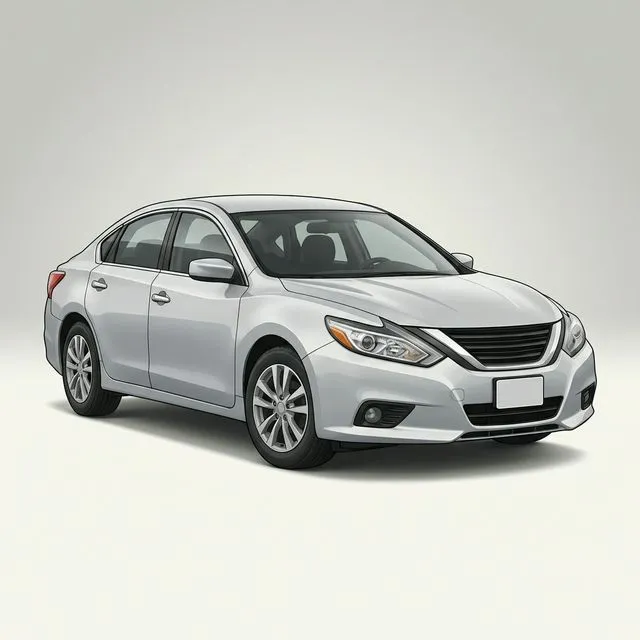
# Nissan Altima 2013–2018 Common Problems (5th Generation)
When the fifth-generation Nissan Altima generation hit showroom floors in 2013, it promised buyers the ultimate compromise: a roomy, attractive midsize sedan that delivered near-hybrid levels of fuel economy on the highway. Achieving an impressive 38 mpg without complex electric motors was a massive selling point, largely accomplished through aggressive aerodynamics and Nissan's pervasive use of their JATCO-sourced Continuously Variable Transmission (CVT).
Unfortunately, this relentless pursuit of fuel economy utilizing the specific CVT hardware engineered for this generation spawned one of the most infamous automotive fiascos of the modern era. The transmission's high failure rate fundamentally defined the legacy of an otherwise highly competent car. For a used car buyer, the 2013-2018 Altima is a minefield. While the engines themselves are relatively sound, the transmission ticking time bomb dictates that you must shop with extreme caution, prioritizing a paper trail of mechanical history over paint condition or trim levels.
Overall Reliability Snapshot
To understand the Altima's reliability, you must separate the powertrain into two completely different categories: the engine and the transmission.
The core internal combustion engines—both the volume-selling 2.5-liter four-cylinder and the rarer 3.5-liter V6—are quite robust. They utilize durable timing chains rather than belts, and aside from some minor sensor issues, they rarely leave owners stranded. The Altima also features incredibly comfortable "Zero Gravity" seats inspired by NASA research, making it a genuinely fantastic long-distance highway cruiser.
However, all of these positives are entirely overshadowed by the massive elephant in the room: the CVT. The failure rate is staggering, particularly for the 2013 through 2015 model years. Nissan faced multiple massive class-action lawsuits regarding these transmissions, ultimately forcing them to extend the factory warranty on affected models out of sheer legal necessity. If you purchase a high-mileage Altima with its original transmission, you are playing a very expensive game of roulette.
Most Common Problems
1. Catastrophic CVT Transmission Failure
What happens: The car begins to exhibit a variety of terrifying symptoms: severe shuddering when accelerating from a stop, delayed engagement when shifting from Park into Drive or Reverse, sudden loss of acceleration on the highway (limp mode), or a loud, high-pitched whining noise emanating from under the hood that increases with engine speed. Eventually, the vehicle simply refuses to move.
Why it happens: The JATCO CVT utilizes a heavy-duty steel push-belt riding between two variable-width pulleys to change gear ratios seamlessly. Due to inadequate cooling, poor bearing design, and a highly fragile valve body, the internal metal surfaces score and destroy each other over time. The steel belt eventually slips or outright shatters.
How to check in 20 minutes: You must take the car on a highway test drive. Accelerate hard on an on-ramp. If the tachometer needle violently bounces, or the car heavily jerks and hesitates, the CVT is failing. Next, cruise steadily at 65 mph. If you hear an obnoxious whining sound akin to a jet engine, the CVT bearings are toast.
Typical repair cost: You cannot traditionally "rebuild" these CVTs in a standard independent transmission shop because Nissan does not sell the internal components separately. You are forced to buy an entire remanufactured unit. Including labor and programming, replacing the Altima's CVT costs between $3,500 and $4,500.
Negotiation leverage: This is a fatal flaw. If the car exhibits any transmission symptoms, walk away immediately. There is no negotiating a $4,000 transmission replacement on a $7,000 used car. The only Altima you should consider is one where the seller provides a recent receipt proving the transmission was already replaced.
2. Failing Mass Air Flow (MAF) Sensor (2013-2015 Models)
What happens: The check engine light illuminates, the car suffers from a sudden drop in fuel economy, and the engine may randomly stall out while idling at red lights or stop signs.
Why it happens: The MAF sensor, which measures the volume of air entering the engine to calculate the correct fuel mixture, degrades prematurely or becomes contaminated with dirt due to poor factory air box sealing on early models.
How to check in 20 minutes: Verify the check engine light is not on. While parked, let the car idle for 5 minutes after a test drive. If the engine RPMs constantly dip down low enough that the car shudders or threatens to stall, the MAF sensor is likely failing.
Typical repair cost: Diagnosing the code and replacing the MAF sensor with an OEM Hitachi unit costs around $250 to $350 at an independent shop.
Negotiation leverage: This is a common and relatively easy fix. Point out the rough idle and ask for a $300 deduction to cover the cost of a sensor replacement and an engine intake cleaning.
3. Faulty Hood Latch (Safety Recall Issue)
What happens: While driving down the highway, the primary hood latch releases. Because the secondary catch is prone to rusting open, the hood catches the wind and flies completely open, smashing into the windshield and blinding the driver.
Why it happens: Nissan utilized an overly complicated secondary hood latch design that was highly susceptible to severe corrosion and gunk buildup, preventing it from springing shut and securing the hood if the primary latch failed.
How to check in 20 minutes: Pull the primary hood release lever inside the cabin. Walk to the front of the car. The hood should pop up slightly but remain securely locked. You should have to manually reach under the gap to disengage the secondary latch. If the hood flies completely open without you touching the secondary latch, the car is an extreme safety hazard.
Typical repair cost: Free. This was the subject of a massive national safety recall. Any Nissan dealership must replace the latch assembly at zero cost to you, regardless of the vehicle's mileage or warranty status.
Negotiation leverage: You don't ask for a discount, but you must demand the seller takes the vehicle to a dealership to have the recall performed before you buy it, or you must drive it straight to a dealer yourself. Do not drive it on the highway until verified.
4. Prematurely Peeling Clear Coat Paint
What happens: Large, flaky white patches appear on the roof, hood, and trunk lid. The shiny clear coat layer delaminates and peels off in massive sheets, exposing the dull base color underneath.
Why it happens: Nissan utilized an environmentally friendly, water-based paint process that unfortunately suffered from poor UV stability. The clear coat bonds weakly to the base primer, and prolonged exposure to intense sunlight rapidly degrades the adhesive bond.
How to check in 20 minutes: Avoid inspecting the car in the rain or at dusk. Look closely at the horizontal surfaces (roof, hood, trunk). If you see white, chalky rings or what looks like an intense sunburn peeling off the paint, the clear coat process has failed.
Typical repair cost: Repainting a roof or hood at a quality body shop runs roughly $600 to $800 per panel.
Negotiation leverage: This severely impacts the resale value and visual appeal of the car. Demand a minimum $500 discount if a major panel is actively peeling.
What This Generation Gets Right
- NASA-Inspired Comfort: The "Zero Gravity" front seats utilized in the 5th generation Altima are stunningly comfortable. They distribute body weight perfectly, drastically reducing fatigue on long road trips compared to seats found in Honda or Toyota rivals.
- Excellent Highway Fuel Economy: If the CVT is functioning properly, the 2.5L four-cylinder Altima consistently achieves real-world highway fuel economy figures bordering on 38 mpg, making it an excellent long-distance commuter.
- Spacious Cabin Environment: The interior is airy, with excellent visibility and abundant legroom for both front and rear passengers, avoiding the claustrophobic feeling common in modern styling trends.
Fast Pre-Purchase Checklist
- Execute a rigorous test drive including hard highway acceleration and constant cruising speeds; listen for loud whining and feel for severe shuddering that indicates a ruined CVT transmission.
- Let the vehicle idle for several minutes at operating temperature to ensure it doesn't stumble or stall, pointing toward a bad MAF sensor.
- Actuate the interior hood release and physically verify that the rusty secondary catch prevents the hood from flying completely open.
- Inspect the roof and trunk lid under bright sunlight for chalky white rings indicative of failing, peeling clear coat.
Should You Buy One?
No. Generally speaking, the 2013-2018 Nissan Altima is fundamentally too risky for a typical used car buyer to gamble their hard-earned money on. The failure rate of the CVT transmission is simply too pervasive and the repair completely obliterates any cost savings you might achieve by choosing it over a slightly more expensive Toyota Camry or Honda Accord.
The only acceptable scenario for purchasing a 5th-generation Altima is if the seller can produce a legitimate, physical receipt from a reputable transmission shop or a Nissan dealership proving that the CVT has been fully replaced within the last 20,000 miles. Without that bulletproof documentation, buying this car is akin to adopting a ticking time bomb. The risk is not worth the comfortable seats.
Check common model issues before you buy
Run a model risk assessment to spot known problems, prioritize checks, and avoid expensive surprises.
Ready to reduce model-specific risk?
Assess model issues first, then verify findings during your inspection and negotiation.